Loading...
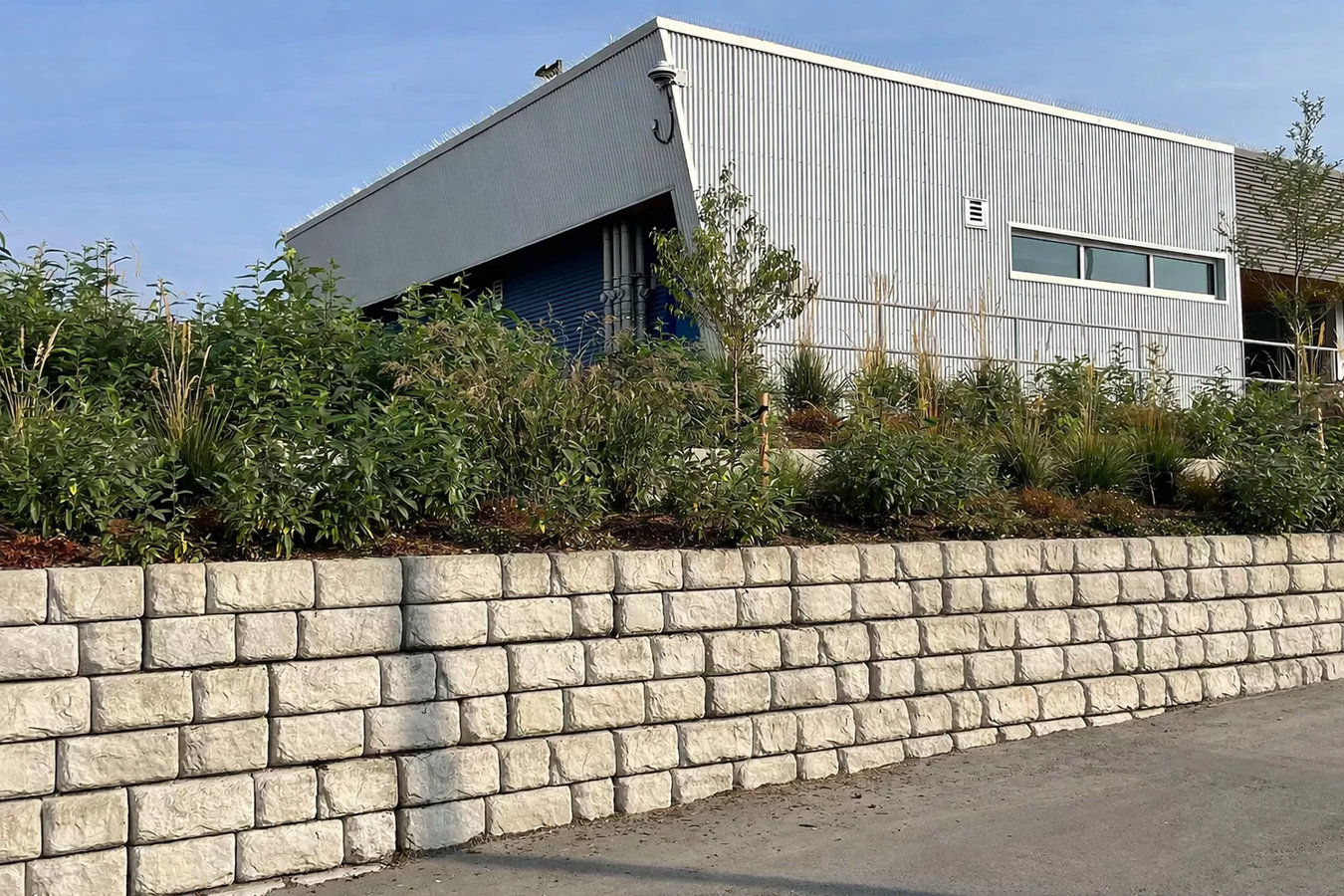
Bowling Green slopes lose ground to clay soil and spring rain every year. We build concrete retaining walls that hold back that pressure permanently - protecting your yard, your foundation, and your property value.
Concrete retaining walls in Bowling Green hold back soil on sloped ground so it stops washing, shifting, or sliding - most residential jobs take two to five days on-site, with a 28-day cure period before the area is ready for landscaping or heavy use.
Homeowners usually call us because a slope is actively eroding, an older wall is leaning, or water is pooling near the foundation after every heavy rain. All three problems share a root cause: the ground is moving and nothing is holding it back. A properly built concrete retaining wall stops that movement at the source.
In many cases, a retaining wall project pairs well with new concrete steps to create usable access on a sloped lot - we can combine both in a single project to reduce scheduling gaps and site disruption.
If dirt, mulch, or gravel migrates toward your foundation every time it rains, your slope is losing ground steadily. Bowling Green's heavy spring rains accelerate this process, and what starts as a cosmetic nuisance becomes a foundation drainage problem if left alone.
Walk your yard after a wet stretch and look for areas where the ground seems to be pushing forward or sagging. In Bowling Green's clay-heavy soil, this kind of movement signals that the ground is saturated and shifting - and it gets worse each season on its own.
If you have an older timber, stacked stone, or concrete block wall that is tilting away from the slope, developing horizontal cracks, or separating from the soil, those are signs it is failing. A leaning wall continues to move until it falls - it does not correct itself.
Standing water near your home after rain is a serious warning sign. In Bowling Green, clay soil does not drain quickly, so spring rainfall pools against foundations and can lead to moisture intrusion, cracking, and mold. Regrading combined with a retaining wall redirects that water before it causes damage.
We build both poured concrete and block retaining wall styles depending on the site, the height needed, and the look you want. Poured concrete gives you a monolithic structure with no seams - ideal for taller walls where maximum strength matters. Concrete block lets us step the wall in tighter spaces and gives a cleaner, coursed appearance that blends well with landscaping. Both include gravel backfill and drainage pipe as standard - that drainage layer is what keeps either style standing through Bowling Green winters and wet springs. For homeowners who want more visual interest, we can add a stamped or textured finish that works with your yard design. That finish can also be carried through to a related concrete floor installation if you are adding a patio behind the wall.
Walls taller than about three feet are reinforced with steel rods inside the concrete. You will not see the rebar once the wall is finished, but it is what prevents cracking and leaning under the sustained pressure of soil behind it. If you are also planning concrete steps to provide access up the slope, we coordinate both in the same project scope to keep the footings and drainage consistent across the site.
One solid structure with no seams - the strongest option for taller walls or heavy soil pressure.
Versatile for tight spaces and stepped designs, with a clean coursed look that blends with landscaping.
Stamped or textured concrete surface that mimics stone or brick without the cost of natural masonry.
Most of Warren County sits on expansive clay soil - the kind that swells when saturated and shrinks as it dries. That constant movement puts more stress on a retaining wall than sandy or loamy soil would. Bowling Green also receives around 50 inches of rain per year, with the heaviest months in late winter and spring. That volume of water moving through clay soil is the main reason slopes erode and older walls lean or crack. A wall built here without proper footing depth and drainage will fail faster than expected. We have seen it in established neighborhoods near Western Kentucky University and in newer subdivisions on the south and east sides of town. We serve homeowners throughout Bowling Green who face exactly these conditions.
Bowling Green is one of the fastest-growing cities in Kentucky, and newer subdivisions on hillside lots often have graded yards that need retaining walls as the land settles. Warren County requires permits for walls above four feet, and the inspection process protects both homeowners and buyers. We also work regularly in Glasgow, KY where similar soil conditions and permit requirements apply. Kentucky Department of Housing, Buildings and Construction provides licensing verification for contractors across both counties.
We respond within 1 business day and schedule a free on-site walk of your property. We look at the slope, soil conditions, drainage patterns, and any underground lines - this visit usually takes 30 to 60 minutes and costs you nothing.
You receive a written quote covering wall dimensions, materials, drainage details, and permit cost if required. A thorough estimate takes a few days - that care upfront means fewer surprises once work starts.
We handle pulling the Warren County permit for walls that need one. We also coordinate 811 utility marking at least three business days before any digging - this is a legal requirement in Kentucky and protects everyone on site.
Excavation and footing work come first - the base often goes 12 to 18 inches below grade, which is what keeps the wall stable for decades. The wall goes up over one to three days. We backfill, clean up, and walk through the finished job before we leave.
Free on-site estimate. No obligation. We respond within 1 business day.
(270) 936-1028We carry full general liability and workers compensation coverage on every Bowling Green project. That protects you from any claim if something goes wrong on your property - something unlicensed contractors cannot offer.
Bowling Green sits on expansive clay soil that puts extra stress on retaining walls. We build footings deeper, add gravel drainage layers, and use the right backfill material specifically because of local soil conditions - not generic specifications from a catalog.
We pull Warren County permits, coordinate utility marking with Kentucky 811, and schedule the inspection. You should not have to chase any of that down yourself - and with a permitted wall, your work is documented if you ever sell the home.
Every wall we build includes gravel backfill and drainage pipe behind it. This is how walls survive Bowling Green's 50-inch annual rainfall without cracking or leaning - walls built without proper drainage often fail within a few wet seasons.
Retaining walls are one of the most failure-prone concrete structures when built without local knowledge - the wrong footing depth or missing drainage can compromise a wall within a few wet seasons. The American Concrete Institute sets the standards we follow for reinforcement and mix design, so the wall you get is built to last in Bowling Green conditions, not just built to look finished.
New concrete floors for garages, basements, and covered patios - often scheduled alongside wall work to keep site disruption in one window.
Learn moreDurable concrete steps built to provide safe access up or down a slope that a retaining wall has leveled.
Learn moreEvery spring rain that hits your slope without a wall is moving soil toward your foundation. Call us today and stop the problem before next season.